Moving to another country is one of the biggest decisions you'll make. There are visas to arrange, belongings to ship and a new way of life to settle into. This guide takes you through each stage of moving abroad from the UK, with a checklist you can work through as your move gets closer.

How do you start planning a move abroad?
Start at least three to six months before you plan to leave. International moves involve paperwork with fixed processing times, and shipping by sea can take several weeks. The earlier you begin, the more choice you'll have over dates, costs and how your belongings travel.
Begin by answering a few key questions:
-
Are you moving for work, family, study or retirement?
-
Is the move permanent or for a fixed period?
-
Will you rent or buy in your new country?
-
What will you take with you, store in the UK, or sell?
Should you visit the country before you move?
If you can, yes. A holiday tells you what a place is like to visit. A longer stay in the area you're considering tells you what it's like to live there. Try the commute, visit supermarkets, look at schools and spend time in the neighbourhoods on your shortlist. For children, a visit beforehand makes an unfamiliar place feel more real and less daunting.
What visas and documents do you need to move abroad from the UK?
Entry requirements vary by country and by your reason for moving. Since the UK left the EU, British citizens moving to EU countries generally need a visa or residence permit for stays of more than 90 days in any 180-day period. Check the official government website of your destination country and GOV.UK's living abroad guides for up-to-date requirements.
Documents to gather and check:
-
passports for everyone, with plenty of validity remaining
-
visas, work permits or residence permits
-
birth and marriage certificates
-
school records and medical records
-
driving licence, and an International Driving Permit if needed
-
employment contracts, qualifications and references
-
bank statements and proof of income
Keep originals with you when you travel, and store scanned copies securely online.
How will your belongings be shipped abroad?
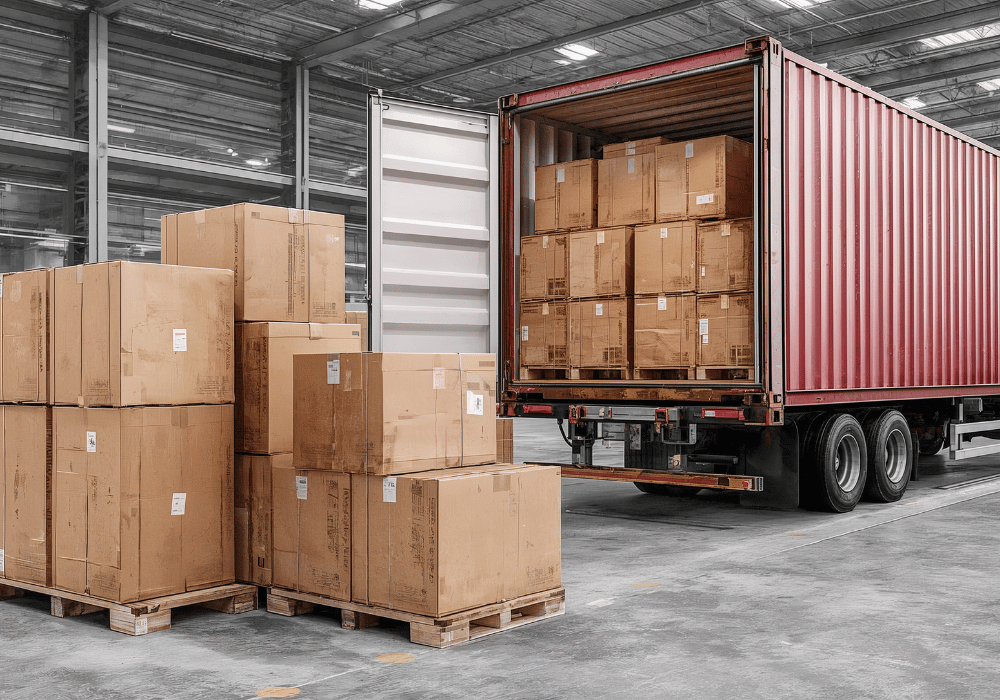
Your international removals company will help you choose the right method for your budget and timescale.
|
Method
|
Best for
|
Things to know
|
|
Road freight
|
Moves to mainland Europe
|
Door-to-door and usually quicker than sea freight for European destinations
|
|
Sea freight
|
Full household moves further afield
|
Cost-effective for large volumes, but transit can take several weeks
|
|
Air freight
|
Smaller shipments you need quickly
|
Fast but more expensive, so best for essentials
|
Hoults arranges moves to Europe and international removals by road, sea and air.
What should you take with you when moving abroad?
Shipping costs are based on volume, so it pays to be selective. Before deciding, consider:
-
Electrical items: plugs, voltages and TV systems differ between countries, so some appliances may not be worth shipping.
-
Furniture: check whether your new home is furnished and whether your furniture will fit.
-
Restricted items: many countries restrict or ban certain foods, plants, alcohol and some materials. Your removals company can advise.
-
Sentimental items: photographs, heirlooms and anything irreplaceable are usually worth the space.
If you're not sure whether you'll stay long term, storage in the UK lets you keep belongings safe until you decide.
How do you prepare your finances for moving abroad?
-
Budget for the full move: removals, shipping, flights, visas, temporary accommodation, deposits and the first few months of living costs.
-
Get a removals quote early. Hoults provides free, no-obligation quotes for international moves.
-
Open a local bank account or research banks in your new country before you arrive.
-
Compare currency exchange options. Exchange rates and fees vary widely between providers.
-
Tell HMRC you're leaving the UK and check how the move affects your tax position.
-
Review your pensions and savings and get independent financial advice if needed.
What should you do with your UK home when you move abroad?
If you own your home, you can sell it, let it or leave it empty for a period. Letting can provide an income and keeps the option of returning, but you'll need a letting agent or a trusted person to manage the property, and landlord insurance. If you're leaving the property empty, check your home insurance, as many policies have conditions for unoccupied homes. If you rent, give notice in line with your tenancy agreement and arrange your deposit return before you leave.
How do you arrange healthcare when moving abroad?
Your entitlement to NHS care usually changes when you live abroad permanently. Research how healthcare works in your new country, whether you'll need private health insurance and how to register with a local doctor. Ask your GP for copies of your medical records and bring a supply of any regular prescriptions while you register.
Can you take your pets when you move abroad?
Yes, but it takes planning. Most countries require a microchip, vaccinations and an animal health certificate, and some require blood tests or quarantine. Requirements can take months to meet, so start early and check the rules for your destination on GOV.UK. Our guide to moving house with pets has more advice.
What goes on a moving abroad checklist?
Three to six months before
-
Research visas and apply
-
Book your international removals company and arrange a survey
-
Decide what to ship, store, sell or donate
-
Research schools and apply for places
-
Start the pet travel process if needed
Two months before
-
Give notice on your UK home or put it on the market
-
Arrange accommodation in your new country
-
Book flights
-
Check your passports and driving licences
One month before
-
Notify your bank, HMRC, pension providers and the DVLA
-
Cancel or transfer utilities, broadband and subscriptions
-
Arrange Royal Mail redirection to a trusted UK address
-
Collect medical, dental and school records
Moving week
-
Pack a suitcase with everything you'll need until your shipment arrives
-
Keep documents, medication and valuables in your hand luggage
-
Take final meter readings and hand over your keys
How do you settle into life in a new country?
The first few months are when a new country starts to feel like home. Say yes to invitations, introduce yourself to neighbours and join clubs, sports teams or community groups. Learning the local language, even at a basic level, helps with everyday life and shows respect for your new community. Language classes are also a good way to meet people who've recently arrived, as you have.
How do you move abroad from the North East?
You don't need to travel to London or the South East to start an international move. We can survey, pack and prepare your belongings at your home anywhere in the North East, then arrange shipping by road, sea or air from there.
For your own travel, Newcastle International Airport has direct flights to many European destinations and connections further afield, and the DFDS ferry from the Port of Tyne in North Shields sails overnight to Amsterdam. If you're taking your car or pets to Europe, the ferry can be a practical option. Check current routes and timetables when you plan your dates.
Are you ready to plan your move abroad?
We've helped families move from the North East to destinations across Europe and around the world. Our teams can pack, ship and store your belongings and guide you through each step. Contact us for a free, no-obligation quote for your international move.

Moving abroad FAQs
How long does it take to move abroad?
Plan for three to six months. Visa processing and sea freight can each take several weeks.
Is it cheaper to ship belongings or buy new ones abroad?
It depends on your destination and what you own. Furniture of good quality and sentimental items are usually worth shipping. Large, low-value items and electricals may be cheaper to replace.
Do I need to tell HMRC if I move abroad?
Yes. Let HMRC know you're leaving the UK so your tax position can be assessed correctly.
Can I travel by ferry from the North East to Europe?
Yes. DFDS runs an overnight ferry from the Port of Tyne in North Shields to Amsterdam. Check current timetables when planning your move.